Web Analytics Business News This Week healthcare | Business News This Week
Showing posts with label healthcare. Show all posts

Sep 30, 2015

Metropolis Healthcare wins ‘Diagnostic Services Company of the Year’ Award

IN · · Leave a Comment
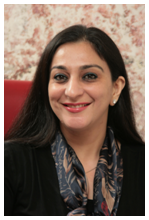
Metropolis Healthcare
Mumbai, Sep 30: Metropolis Healthcare Ltd, India’s only multinational chain of pathology centers has won the VCCircle Healthcare Awards for The Best Diagnostic Services Company of the Year Award for 2015.

In its 7th edition now, the VCCircle Healthcare Awards evaluates companies on their outstanding performance and by rewarding outstanding healthcare providers who have not just made real differences in the patient’s life but have also created a culture of innovations & excellence across the Indian healthcare industry.

Metropolis is one of the very few NABL and CAP accredited diagnostic chains, equipped with cutting edge technology, innovative work equipment, expansive logistics network and rigorous processes. Metropolis ensures and delivers precision and accuracy in every single test; each time, every time.

Speaking on the occasion, Ms. Ameera Shah, Promoter, Managing Director & CEO, Metropolis Healthcare Ltd said, “We are delighted to receive the recognition, this award is a testament to the efforts, ingenuity, and vision of my entire team. At Metropolis we are guided by a single motto: Quality is not an act but a habit. There is no place for error and we strive to achieve and maintain highest standards of excellence.”

The Awards selection criteria involved an esteemed panel of judges and followed a rigorous methodology in short listing and thereafter selecting the organizations that are transforming the Indian healthcare industry. With 34 years of experience in delivering accurate reports, Metropolis has earned the reputation of being India's only multinational chain of diagnostic centers with presence in UAE, Sri Lanka, Dubai, South Africa, Kenya, Mauritius & Ghana.

Metropolis Healthcare - the Pathology Specialists deliver over 30 million tests a year, catering to more than 20,000 Laboratories, Hospitals, Nursing homes and 2,00,000 doctors. Metropolis Laboratories offers in excess of 4,500 tests and test combinations, ranging from routine screening tests to super specialized molecular and genetic assays.

Metropolis has always been in the forefront in employing latest technology and automations, adopting stringent internal and external quality control mechanisms and making planned investments in research and development.
Read the rest of this entry

Jan 23, 2015

HealthCare at Home conducts health workshop

IN · · Leave a Comment
HealthCare at Home conducts health workshop for children at Chandigarh school  ·         Over 100 school children of Sr Secondary Model School and their parents participate in the workshop  ·         HCAH experts teach children about sanitation, hand washing techniques and share tips on healthy tiffin box etiquettes and correct sitting/standing postures  Chandigarh, Jan 15, 2015: To bend their mind towards sanitation and inculcate in them healthy habits early in life, HealthCare at Home, India’s first hi-tech, documented, quality home-care service provider, conducted a sanitation and health workshop for primary and secondary classes’ children at a school here.  The workshop was organized at Sr Secondary Model School in which over 100 children, aged between 5 to 11 years, and their parents participated. The experts of HealthCare at Home, led by Physiotherapist Gaurav Sharma, taught the children right techniques of hand washing and its importance before and after every meal, post toilet sessions and after playing outdoors. They were also told about nail trimming and ill effects of unclean nails. The children and their parents were also briefed about correct sitting/standing procedures and right food for growing up phase of children.   “Hand washing is a basic habit that if inculcated at the right age goes a long way in life. Mere washing of hands can cut drastically spread of infection from hands to eatables. Ignorance sets in the children’s mind if they are not pestered about cleaning their hands. If they are made aware about eating with clean hands at a tender age, then the habit becomes permanent. Diarrhoea is one health problem that majorly happens because of filthy hand conditions. So the workshop was aimed at setting the behavior for proper hand washing and other good habits,” said Dr Gaurav Thukral, Head Medical Services, HealthCare at Home.  Besides this, tiffin box etiquettes were also discussed with the children during the three-hour session. They were encouraged about carrying eatables made up of whole grains, non-oily products and nuts. The experts differentiated between healthy and non-healthy foods in an engaging way so that children could understand it better.   “The children were very enthusiastic to participate in the workshop and participating parents found the initiative very informative. Under our CSR initiative, we are focusing on spreading awareness on health and hygiene. After receiving a good response from the children here, we are willing to take the initiative to other schools as well in Chandigarh and whole of Punjab,” said Mr Pardeep Sharma, Unit head, Unit Head, HCAH.  The management and teachers of the school, led by Principal of the school Mrs Anujit Kaur, vowed to sincerely work on inputs shared by the experts of HCAH on hand hygiene and healthy tiffin box habits.
HealthCare at Home conducts health workshop for children at Chandigarh school

· Over 100 school children of Sr Secondary Model School and their parents participate in the workshop

· HCAH experts teach children about sanitation, hand washing techniques and share tips on healthy tiffin box etiquettes and correct sitting/standing postures


To bend their mind towards sanitation and inculcate in them healthy habits early in life, HealthCare at Home, India’s first hi-tech, documented, quality home-care service provider, conducted a sanitation and health workshop for primary and secondary classes’ children at a school here.

The workshop was organized at Sr Secondary Model School in which over 100 children, aged between 5 to 11 years, and their parents participated. The experts of HealthCare at Home, led by Physiotherapist Gaurav Sharma, taught the children right techniques of hand washing and its importance before and after every meal, post toilet sessions and after playing outdoors. They were also told about nail trimming and ill effects of unclean nails. The children and their parents were also briefed about correct sitting/standing procedures and right food for growing up phase of children.

HealthCare at Home conducts health workshop
“Hand washing is a basic habit that if inculcated at the right age goes a long way in life. Mere washing of hands can cut drastically spread of infection from hands to eatables. Ignorance sets in the children’s mind if they are not pestered about cleaning their hands. If they are made aware about eating with clean hands at a tender age, then the habit becomes permanent. Diarrhoea is one health problem that majorly happens because of filthy hand conditions. So the workshop was aimed at setting the behavior for proper hand washing and other good habits,” said Dr Gaurav Thukral, Head Medical Services, HealthCare at Home.

Besides this, tiffin box etiquettes were also discussed with the children during the three-hour session. They were encouraged about carrying eatables made up of whole grains, non-oily products and nuts. The experts differentiated between healthy and non-healthy foods in an engaging way so that children could understand it better.

“The children were very enthusiastic to participate in the workshop and participating parents found the initiative very informative. Under our CSR initiative, we are focusing on spreading awareness on health and hygiene. After receiving a good response from the children here, we are willing to take the initiative to other schools as well in Chandigarh and whole of Punjab,” said Mr Pardeep Sharma, Unit head, Unit Head, HCAH.

The management and teachers of the school, led by Principal of the school Mrs Anujit Kaur, vowed to sincerely work on inputs shared by the experts of HCAH on hand hygiene and healthy tiffin box habits.
Read the rest of this entry

Jul 9, 2014

10 Top Tips to Overcome Lack of Sleep in Middle Age Women

IN · · Leave a Comment
Lack of sleep is one of the many problems that middle age women face. They find it difficult to staying asleep and when it’s time to sleep and they wake up too early in the morning and find it difficult to get back to sleep again once they are awake. To state the fact sleep disturbances are a common complaint in this phase. Because as we age the normal sleeping pattern becomes shorter and it becomes natural that we spend less time in deep sleep.

Well, in this case there are some useful tips that you can follow to reduce sleep disturbances and to enjoy a good deep sleep. Let us check out those points.

1. As far as possible avoid sleeping in the afternoons and if it is a habit for you to sleep in the afternoon and can’t stay without sleeping. Then limit your sleeping time to a maximum of twenty minutes only.

2. Avoid consuming Alcohol, smoking, and taking beverages that contain caffeine, if at all you consume any of these it should be at least three hours before you go to sleep.

3. As far as possible avoid irregular sleeping patterns and stick to a disciplined sleeping routine.

lack of sleep
4. Don’t make it a habit to sleep as soon as you finish eating. Take dinner at least 4 hours before you go to sleep.

5. During the evening if you feel like you are falling asleep, wash your face, take a walk, and keep your working area well lit.

6. Make it a habit to practice meditation, or taking a shower or reading a good book, or may be listening to quite and relaxing music that prepares you for a good sleep.

7. Don’t tense yourself that it’s so much time now and I am not able to sleep when will I sleep and when will I get up. This kind of thinking and keeping a track of time will not help instead relax and try to sleep.

8. Make sure that you have enough physical activity, otherwise, do regular exercises. Or do Swimming, or take up any other sport that gives your body a good exercise and makes you feel relaxed.

9. Make sure that your bed room atmosphere is cool, calm and relaxed.

10. To get good sleep make sure that both your mind and body are relaxed before you go to sleep.

Sleep is a blessing that recharges us for next day activities and keeps us active and healthy. Follow these tips and overcome hurdles for a deep and good sleep.
Read the rest of this entry

Apr 14, 2014

With the help of Botox, get a beautiful neck like Egyptian queen Nefertiti

IN · · Leave a Comment
With the help of Botox, get a beautiful neck like Egyptian queen Nefertiti

Dr. Vandana Chatrath, Dermatologist, Delhi

From the ancient Egyptians times to the modern age of 21st century long neck a well defined neck line has been a definite sign of beauty. Be it the yesteryears actor Madhubala or the famous Bollywood diva Katrina Kaif, their detailed jaw line and toned neck makes them look even more desirable and adds an extra edge to their beauty.

Well defined jaw line and a perfect neckline is very prominent in the early years of our lives but as time passes with the numerous aging signs the skin around the neck starts to lax .That gives a very unpleasant look and makes you look ugly.

Today people are not only conscious about their looks and food, but they take care of their entire body. Consciousness not only restricted till face, neck and a perfect jaw line is one of the most popular treatments today. It is known as Nefertiti Neck Lift, which is inspired and named after a beautiful swan like neck of the Egyptian queen Nefertiti.

The treatment done by Botox helps in an upward movement of the skin and reduces the sagging skin giving a much defined neck line and detailed contours. Nefertiti is a convenient process which imparts a younger, tighter and a much contoured look to the neck without going through any kind of surgery.

Nefertiti helps in lifting the corners of the mouth and stops the sagging and jowl formation. Nefertiti is one among the popular procedure that can enhance the appearance of your neck line. This technique includes the use of Botox in selective muscles including the jaw lines to improve the look and to give an appearance of a face lift. These results in long neck and a detailed jaw line.

Nefertiti Neck Lift is an innovative technique where in multiple number of Botox injections are placed across the lower jaw line and towards the platysma muscle. This helps the underlining muscles to balance helping in the lifting the jaw and the neck area.

To get the perfect and facial structure, many patients choose to combine the Botox with Nefertiti on the upper face as well. This gives rejuvenated look and gives a much relaxed young and a smooth look to the, assuring them that they look good and young.

The Nefertiti Lift treatment relaxes the underlying muscles in the jaw area, after these muscles are relaxed the net affects in lifting the facial muscles and creating a detailed and younger looking jaw line. To sustain the look the treatment should be taken on regular intervals of 3-4 months.

If you want to get the perfect lift without any hassles and without using any surgical treatment, then Nefertiti Lift treatment is the best thing to go with. This along with Botox works wonders for the skin and gives you a detailed jaw line along with a smooth, perfect and a contoured neck line.

Both surgical and non-surgical procedures have their own benefits. According to the requirement and expectations, a candidate can choose between these two procedures with the help of an expert. In addition, these procedures are not recommended for people under the age of 18.

In a month we receive at least 3-4 requests for both surgical and non surgical procedures. Botox injections have advantages of immediate result with no downtime and it last six months. On the other hand, the surgical procedure is a permanent procedure, but with a downtime of 1-3 months. Botox is the best option if you need to slightly improve and enhanced neck line.
If you too have been thinking to get that perfect neckline Botox jab is your one-stop solution.
Read the rest of this entry

Mar 31, 2014

Be ready to face the sun this Summer:Dr. Chiranjiv Chhabra

IN · · Leave a Comment
dr. chiranjiv chhabra
With spring fading and summer kissing your feet, come new skin problems, namely- 'sun damage'. Over exposure to the sun can bring chronic damage, human skin is very sensitive to the sun and if not protected, brown spots, wrinkles, and dehydration will damage the skin, which in turn may lead to skin cancer.

People often come rushing to my clinic with red rashes on their face, neck and arms. They complain of irresistible irritation and itching on these spots. Sometimes, it is not only one particular spot or place where the rashes appear, they can affect entire body at times.

Though there are many reasons for these rashes, from being of any type of allergy to hormonal imbalances, but majority of the cases turn out to be as a result of skin allergy due to excessive exposure of the sun.

If you compare the skin tone and complexion of a skin that is exposed to sunlight daily and the skin that is less exposed, you will see the difference with your own eyes. The difference will be striking. The skin that has been minimally exposed will look decades younger.

The damage from UV light is cumulative and can take years before it is apparent and prominently visible. It is generally by the time we reach our mid-thirties the long-term effects of UV exposure starts becoming prominent with clearly visible in the form of the fine lines, wrinkles, changed skin tone and color. It is a fact that people are sensitive to sunlight; and this phenomenon is known as ‘photosensitivity’. This sensitivity of the skin ends in producing rashes, better known as photodermatosis in the medical fraternity. Skin allergy from sun is actually a reaction from the immune system of the body trying to protect its cells from the harmful UV rays of the sunlight eventuating in red and itchy rashes.

Handling numerous cases of rashes and allergies from the sun frequently, I have made an observation that, the most common locations include the "V" of the neck, the back of the hands, the outside surface of the arms and the lower legs. If you carefully observe the pattern of the places these rashes appear, they are mainly the areas which get exposed to sunlight even when one is clothed up. I have seen my fair share of rare cases too where the rashes appear even spread to skin in clothed areas in the form hives or small blisters. The rashes could be itchy or burning and may last for a few days.

Sunscreen is an absolute must during the warmer months, so looking for a sunscreen with a SPF of at least 20 is recommendable. A moisturizer with SPF is also a good alternative for those who are looking for versatile products.

People often confuse between sunburns and allergies from sun. There is a fine line between these two skin reactions.

Sunburns appear on sun-exposed part of your skin when technically your body’s protective skin pigment ‘Melanin’ which is supposed to fight away harmful radiations and germs, falls weak and fails to protect your skin well enough from the ultraviolet light.

On the other hand, in cases of allergic reaction from exposure to the sun, your body's immune system reacts against the harmful rays and fights hard to protect your skin and this is what causes the breakout on your skin.

It is also called as hypersensitivity to the sun, or Polymorphous Light Eruption (PMLE). Skin allergy from sun can occur within minutes of exposure to the sun, and also goes away much quicker after sun exposure has stopped compared to time taken to revive back from sunburn. Sunburn can cause more grave problems than just mere temporary pain and redness. Over time, frequent sunburn can contribute to premature aging of the skin, and even lead to deadly skin cancer.

Other than the basic skin problem of sunburn and allergy caused by the sun, throughout my career till date, I have come across many other cases of severe skin problems and diseases, the root cause being the harmful rays of sun. I will share some of the possible cases.

· Thickening of skin, mainly on the back of the neck resulting in coarse wrinkles, a condition better known as ‘elastosis’.

· Thinning of skin causing fine wrinkles.

· UV rays from the sun might cause the walls of the blood cells to go thinner leading to bruising with only a short-period of exposure to the sun.

· Appearance of freckles and white spots on hands and legs respectively.

· Can cause 3 major types of skin cancer, viz. melanoma, basal cell carcinoma, and squamous cell carcinoma of which Melanoma is the most deadly skin cancer type because it is said to metastasize more readily and faster than the other skin cancers.

Given the bitterest and the scariest of facts about the chances to acquire diseases from the harmful rays of sun, it is inevitable to avoid exposure to sunlight.

No one can stop going outdoor because of the fear of getting sun-burnt or allergy, but from my point of view and advice which implies to myself too is that, if we cannot avoid the sun, the least we can do is to do the best in our stride to minimize its harmful effects by taking a few personal precautions and following a sun care regime.

UV damage does not only keep restricted at the skin's surface, its effects are felt even well beneath it. Most importantly, exposure to UV radiation can severely weaken the immune system and its ability to ward off viruses and bacteria. All these threats indicate that we should never drop any chances of taking care of our well being.

A few quick tips:

· Always wear a sun protector half an hour before stepping out into the sun.

· Don’t miss out applying the sun protector onto your ears & neck.

· If one has sensitive skin then its best to use a sun protector which is oil free & light in weight.

· Drink a lot of water

· Wear clothes that cover your body, and

· Lastly when you must be exposed to intense sunlight, wear protective clothing such as long pants, long sleeved shirts, broad-brimmed hats and UV-protective sunglasses.

So, next time you step outdoors, make sure that you are keeping yourself safe from the heat exposure by applying sun blocks and drink plenty of fluids especially lots of water to keep you body cells from dehydrating.
Read the rest of this entry

Mar 28, 2014

Nobody is too young for a knee replacement

IN · · Leave a Comment
dr rajeev k sharma senior orthopedic joint replacement surgeon apollo hospital
So, what exactly leads to a joint replacement surgery? Developmental disorders, injury caused by accidents and the condition of osteoarthritis with unstable pressure on joints could make you one of the million applicants opting for joint replacements in India itself. Though there are many reasons, one of the most common is the condition of arthritis common in middle-aged people.

“Though affecting the elderly mostly, joint replacements are often also necessitated among the young. Sometimes, due to an accident or injury and sometimes due to early onset of arthritis. Recently we conducted a hip replacement surgery on a 17 year old girl who needed it due to birth defect. Sedentary lifestyles put together with very less physical activity are also putting youngsters in danger of acquiring joint related ailments at a younger age,” says Dr. Rajeev K. Sharma, Senior Consultant Orthopedics, Indraprastha Apollo Hospital, New Delhi throws light on what’s hot in the joint replacements sphere and how it is cashing on a long-term durability.

However, the technology and science of joint replacements has progressed by leaps and bounds over the years.

A couple of decades back the biggest challenge was to have long-lasting replacements and implants a reality for patients. Even if a knee replacement was conducted successfully, chances were the implant would last up to a decade and the patient would need another replacement surgery after that.

Today we have come a long way in actualizing that aim of providing durable joint implants with as long as 30 years of life. This has come as a boon for patients, many of whom would not need another surgery after having one in their lifetime.

Significant advances in the field of orthopedic surgery and in medicine in general have taken place over the last three decades and today a range of difficult situations can be treated successfully. It is well established that these implants are safe even for very older patients. Patients as old as 96 years of age are also treated successfully.

“For hips, we now have cement-less hip implants with delta motion ceramic and for knees we have high mobile bearing implants. In both these cases, the patient can enjoy nearly normal functions, can move around in the markets, sit down and can feel as normal as any other person. Then, these have a longevity advantage too. The impact goes on for a very long time and a patient does not require any second surgery in a short span.

“Yet, there remains a prevalent myth that knee replacements are strictly for the elderly. Some patients in their 50s who are experiencing serious motion problems due to diseased knee joints are hesitant to go for the procedure as they wonder whether they are too young for a knee replacement. Some sportspersons who suffer from injuries may also need knee replacement surgeries at a younger age. But, we advise such patients that joint replacement radically improves quality of life, gives you back your mobility and enables you to return to normal life,” adds Dr Sharma.

At the same time when everything in this bubble looks bright and great, there are some challenges yet to meet ends. Now, that these surgeries last for a good-enough time with no need for re-surgery in between, the biggest challenge is to gift patients a pain-free post surgery time. Wherein a patient not only gets back in motion as normally as possible but also does not feel any amount of pain once the surgery/implant is done.

So, as far as the possibility of joint, specifically knee replacements look promising for Indian patients. At the same time, joint replacement surgeons in India as well as the entire medical industry here today is well equipped to offer the best of treatments to foreign patients with an equally competitive and comfortable approach as they get in Boston or Harvard.
Read the rest of this entry

Mar 18, 2014

Columbia Asia Hospital, Gurgaon organises Kidney Screening Camp

IN · · 1 comment
columbia asia hospitalscolumbia asia hospitals
Proper functioning of human bodydepends on accurate working of all the body parts, including kidneys, which play an important role of a natural filter, helping to remove waste products from the blood, and form an essential part in the urinary system.

Any type of kidney dysfunction can be very risky as it leads to build up of waste toxins in the body due to malfunction in natural filtration. The situation can lead to multiple disorders and also be fatal. While kidney stones are commonplace and generally not risky, other kidney problems may put a person’s life at risk with the condition not being treatable easily and dialysis and transplant being the last options.

Problem in passing urine, high blood pressure, lethargy, shortness of breath are signs of kidney problems. If these warning signs are ignored, they can pose serious health risks. Due to lack of awareness, people usually ignore the symptoms and do not realize till its gets extremely complicated and risky.

On the occasion of World Kidney Day, Columbia Asia Hospital, Gurgaon took the initiative to educate people about kidney ailments and how drinking water is crucial in preventing kidney infections and other ailments like stones. The hospital organized a Kidney care camp inviting people to get their kidney profiles checked and screened to keep a check on the development of stones and other disorders.

The programme on “Kidney Diseases - Treatment and Prevention” that conducted kidney function tests on patients while also imparting them knowledge about keeping kidneys healthy was led by Dr Anupam Roy, Consultant, Nephrology, Columbia Asia Hospital, Gurgaon.

Consultation, registration and investigations of blood urea and createnine, urine urea and albumin ratio were offered at concessional rates to encourage patients to get themselves screened.

“Kidneys are vital organs of human body and any harm to them can be fatal. In the face of abnormality in its functioning, patients are left with options of dialysis and transplant only. Dialysis is a tough option, as every three days the procedure has to be done to remove waste products from the body, while getting a matching donor for a transplant is very difficult. A simple screening can help diagnose any harm to kidneys in the initial stage and prevent it from reaching an end stage disease. The programme aims at educating people about kidney screening and preventive steps that should be taken,” says Dr Kousar Ali Shah, General Manager, Columbia Asia Hospital, Gurgaon.

In the programme, people aged above 40, especially those having diabetes, hypertension and partial kidney disorder were called to clear their doubts and apprehensions and get a detailed understanding on various aspects related to kidney disorders, its treatment and prevention.

About Columbia Asia Hospitals Pvt. Ltd. Columbia Asia Hospitals Pvt. Ltd. is one of the first healthcare companies to enter the country through 100% foreign direct investment (FDI) route.
Read the rest of this entry

Juvederm Fillers for Post Holi Skin

IN · · Leave a Comment

Dr. Chiranjiv Chhabra, Dermatologist, Skin Alive Clinics, Delhi
Juvederm Fillers for Post Holi Skin care that will help your skin to get that glow again
By Dr. Chiranjiv Chhabra, Dermatologist, Skin Alive Clinics, Delhi

Holi is a day when nobody wants to be left out of the revelry. At the same time it is also a day of trauma for our skin and hair. Months of skin and hair care can go for a toss just in a day when you play Holi full throttle.

While precautions are necessary to ensure harmful chemicals do not find way on to your skin with colors, it is also important to follow certain do’s and dont’s to avoid damage to the skin. Keeping the skin moisturized is an important part of the care regimen both pre and post Holi.

Once you are done with the Holi play and are counting the losses to your skin, you need to get some deep care treatments for both the skin and hair done to calm and soothe.

Cleanse and Moisturize, watch out for irritation …..

The first thing to do after the Holi play is a no brainer. Get in the clean up act immediately but make sure it is done softly and is not harsh to the skin. Cleaning the color with the make up remover or a moisturizer based cleanser is a good idea as they act as emulsifiers. Do not use harsh loofas to bathe yourself.

Do it softly. Yet the excessive use of soap and shampoos is certain to leave your skin dry and irritated for several days. The most basic care regime is the use of moisturizer regularly. Apply a thick moisturizer several times a day, even an oil massage will be good for a few days. Oil your hair regularly for a few days after Holi, make sure you massage the scalp gently and apply oil to the hair shafts and tips liberally to undo the damage and loss of hydration.

In case a skin irritation persists, it may be a case of skin allergy. In such a situation, do not ignore it, refrain from doing a self treatment and visit a dermatologist on first priority. You may be needing medication.

Do not go for any cosmetic procedures till 3 to 5 days after Holi

If the colour is still on the skin then you should wait for 3 to 5 days before you can do procedures like photo facial, derma-brasion and chemical peels.

But, go for deep hydrating treatments after a few days

It is not advisable to go for any cosmetic procedures a few days before and after Holi. However, it would serve you well if you get a deep hydrating treatment a week before the day. In case you haven’t done, so you may be needing some deep hydrating treatments after Holi as that is the time when your skin is depleted and dehydrated.

Treat your skin with oil massages at home for seven to eight days after Holi, then visit a dermatologist to get some skin replenishing and deep hydrating treatments. To increase the hydration levels of the skin we can use special Juvederm fillers to hydrate the skin of the face, hands and chest. This not only give a smooth, healthy and hydrated look but also makes the skin look younger and glowing and it will last for a long time.

No waxing or shaving for a week

When the skin is sensitive and irritated it does not want to be poked any more. As said earlier, after Holi the skin just needs to be moisturized and left alone to overcome the trauma. Harsh treatments like waxing and shaving can lead to problems on an already sensitive skin. Even threading should be strictly avoided for a few days before and after Holi as it leaves the skin slightly injured and vulnerable.

A hair therapy will be needed

Hair is another part of the body that takes the brunt of the Holi revelry. Color often sticks to the scalp and causes irritation of the sensitive scalp skin. The chemicals can also cause harm to the tips of the hair and leave them damaged and brittle. Besides the post Holi washing and heavy duty shampooing can again leave the hair dehydrated and dry. For a week after Holi, oil and massage your scalp daily to help the damaged hair recover from the trauma. 3 to 5 days after Holi, go for a hair spa and replenishing head massage.

Read the rest of this entry

Mar 13, 2014

Botoxed Brow Beauty

IN · · Leave a Comment
botox brows lift
Noted American composer and singer Frank Zappa once said, “The computer can't tell you the emotional story. It can give you the exact mathematical design, but what's missing is the eyebrows.”

How true! Flat or highly arched, the brow defines a zillion human expressions whether bold or subtle. The fact that our eyebrows not just define our eyes but our face too, and are essential to display emotions such as anger, surprise, happiness or tragedy and even more, can not be ruled out.

No wonder why there is a lot of emphasis laid on the beauty of brows. In fact, the journey of girls, as soon as they hit their teens, in the vast world of beauty treatments generally initiates with a threading session, to shape their eyebrows, at the local beauty parlor.

Eyebrows can make or break the appeal of our face. If they are healthy, well-shaped and as per our face type they add a characteristic charm to our visage.

With age, the natural beauty of our face starts to fade. Brows are no exception to that. They begun to sag and one may feel that the forehead appears to be sagging with them as well.

Unlike our teens, basic treatments like threading and waxing don’t seem to help in this case and what one needs is a specialized management of the same. Until a few years back, one only had the option of a lifting surgery but now a single jab can take care of the issue and give you glamorous-looking eyebrows. Known as the ‘Botox Brow Lift’, the treatment involves contouring the eyebrow via Botox, the famous wrinkle-removing drug.

Botox brows lift procedure is rapidly gaining popularity as a treatment to rejuvenate your face. It can effectively take 5-7 years off one’s aged looks and one doesn’t need to undergo the surgeon’s knife at all! A dermatologist injects a small amount of Botox underneath the skin around the eyebrows. Since this treatment involves giving injections, the down-time involved is a small one. Patients get free in 20-30 minutes and they can start seeing the effects within a week, whereas, in surgery they have to wait for the stitches to heal first and that takes a considerable amount of time.

Botox brow lift is an effective anti-ageing procedure for not just women but men too, who have a mild to moderate heaviness in the brow area and don’t want to undergo surgery. The procedure can be performed on all skin types. In fact those who have naturally-drooping eyelids and low-hanging eyebrows, for them this treatment is a godsend gift!

The brow lift procedure with Botulinum Toxin or Botox literally ‘lifts’ the skin tissues above and around the eyebrows so that the natural eyebrow arch is a few millimeters higher. Since the muscles are temporarily rendered inactive (i.e. frozen in place), there is little to no risk that the eyebrows will begin to droop again.

Botox is commonly used for ironing out the wrinkles and fine lines, particularly in areas such as forehead and around eyes. The Botox brow lift works by gently weakening the muscles above the delicate eye area. It smoothes away worry lines and deep grooves caused by frowning along the lower forehead. The muscles around the top of the eyebrows get relaxed and the patient’s skin appears smoother, more toned and tightened.

Thus the resulting ‘arched’ eyebrows lend a youthful and fresher appearance to the face. This injectable treatment sure comes for a cost but is considered to be cost-effective by most experts. Touchup treatments are not required until 6 to 8 months after the initial treatment. Some clinics offer packages of injections so that patients can save on the costs. Usually, the lift will cost anywhere between Rs 10,000 -16,000 depending upon the units of the drug consumed and the individual doctor’s fees.

She also stresses, that since the brow lift involves injecting Botox into muscles around the eyebrows on the forehead, it is very important that only specific muscles are targeted. Opting for a quack can do more harm than good. After all, who would like to carry an ‘angry’ or a ‘surprised’ look all the time for months till the effects of the injection wears off? Only a trained injector knows where to and how much to inject. Hence, always opt for a reputed clinic and a well-experienced doctor.
Read the rest of this entry

Feb 10, 2014

Best 10 Institutes for Medical Education: The Week-Nielsen Best Hospitals Survey 2013

IN · · 1 comment
A complimentary copy from ‘The Week’ Magazine has inspired us to have this post titled ‘Best 10 Institutes for Medical Education: The Week-Nielsen Best Hospitals Survey 2013’ for our readers.

The survey has listed many hospitals as per their performance and service; we would try to feature the best hospitals in each city as featured in the survey. We know the importance of being aware of hospitals, when we do consider having health services. We do prefect the best hospitals and hope the survey would be very useful for all of us.

1) All India Institute of Medical Science, New Delhi all india institute of medical science, new delhi

The All India Institutes of Medical Sciences (AIIMSes) are a group of autonomous public medical colleges of higher education. AIIMS New Delhi, the fore-runner parent excellence institution, was established in 1956.

AIIMS Main Hospital is located at Ansari Nagar, in front of Safdarjung Hospital at the crossing of Ring Road and Aurobindo Marg. Main entrance is on Aurobindo Marg.

Telephone No.s of Central Enquiry-- 26588500, 26588900, 26588700 -- (ext'n 4707)

postgraduate institute of medical education & research, chandigarh
2) Postgraduate Institute of Medical Education & Research, Chandigarh

Postgraduate Institute of Medical Education and Research (or PGIMER) is a medical and research institution located in Chandigarh, India. It has educational, medical research and training facilities for its students. The Postgraduate Institute of Medical Education and Research (PGIMER) Chandigarh was conceived in 1960 as a center of excellence which would endeavor to develop patterns of teaching in postgraduate medical education in as many branches as possible and attempt to produce specialists in several disciplines of medicine.

Postgraduate Institute of Medical Education & Research
Sector-12, Chandigarh PIN- 160012, INDIA.
Phone: EPBAX: 0091-172-2746018,2756565,2747585
Fax: 0091-172-2744401, 2745078
Email: pgimer-chd@nic.in

christian medical college, vellore
3) Christian Medical College, Vellore

Christian Medical College and Hospital, Vellore (CMC Vellore) is an educational and research institute and a tertiary care hospital located at Vellore, Tamil Nadu, India. It is one of the prominent and well known medical destinations in India, having reputations nationally and internationally.

Christian Medical College,
Vellore - 632004
Tel : 0416-2282010, 3072010
Fax: 0416-2232054
E-mail: directorate@cmcvellore.ac.in

jawaharlal institute of postgraduate medical education & research, puducherry
4) Jawaharlal Institute of Postgraduate Medical Education & Research, Puducherry

The Jawaharlal Institute of Postgraduate Medical Education & Research (JIPMER) is a medical school in India. It is located at Pondicherry, the capital of the union territory of Puducherry, in southern India. JIPMER is an Indian central government funded institute with autonomy to run its internal administration.

JIPMER,
Dhanvantri Nagar,
Gorimedu,
Puducherry-605 006.
Telephone: (0413)2272380-90(11 Lines), 2272132, 2272181, 2272337/38/39, 2272342
Fax: (0413)-2272067 (Director), 2272066(Dean), 2272735(M.S.)
Email: director@jipmer.edu.in

armed forces medical college, pune maula azad medical college, delhi
5) Armed Forces Medical College, Pune

The Armed Forces Medical College (AFMC) is a medical college in India. It is located in Pune Cantonment in Pune in the state of Maharashtra. The college is managed by the Indian Armed Forces. The Armed Forces Medical College has multiple roles to perform.

AIR MARSHAL B Keshav Rao,AVSM
Director and Commandant
Armed Forces Medical College,
Wanowrie,
Pune – 411040

maulana  azad medical college, delhi
6) Maula Azad Medical College, Delhi

The Maulana Azad Medical College (MAMC) is a government medical college in Delhi affiliated to University of Delhi. It is named after Indian freedom fighter and first education minister of independent India Maulana Abul Kalam Azad. It is located at Bahadur Shah Zafar Marg, New Delhi.

Maulana Azad Medical College
Bahadur Shah Zafar Marg
New Delhi-110002
Ph:- 011-23239271 To 23239279/011-23231478

sanjay gandhi post graduate institute of medical science, lucknow
7) Sanjay Gandhi Post Graduate Institute of Medical Science, Lucknow

Sanjay Gandhi Post Graduate Institute of Medical Sciences (SGPGIMS) is a medical institute of India located in Lucknow, Uttar Pradesh. It was established in 1983 and is named after Sanjay Gandhi.

Sanjay Gandhi Postgraduate Institute of Medical Sciences, Lucknow.
Raebareli Road,
Lucknow -226 014

madras medical college, chennai
8) Madras Medical College, Chennai

The Madras Medical College is an educational institution located in Chennai, India. It was established on February 2, 1835. It is the second oldest medical college in India, along with the Medical College Kolkata and is one of the foremost centres of post graduate medical education in the country with 425 Seats.

Madras Medical College and Government General Hospital
E.V.R Periyar Salai ,
Park Town,
Chennai - 600 003
email : mmcadmin@tn.gov.in
Phone : 044 - 2530 5000

kasturba medical college, manipal university, manipal
9) Kasturba Medical College, Manipal University, Manipal

Kasturba Medical College (KMC) is a medical college based in Manipal, Udupi District Karnataka, India.Established by Dr T.M.A. Pai on 30 June 1953, KMC was the first private sector medical college in India. The college started with only the pre-clinical section at Manipal and the students had to go to Mangalore for their clinical training.

Manipal University, Manipal
Indian Admissions:
Director, Admissions
manipal.edu, Manipal 576104, Karnataka, India
Tel: 0 9243777733
e-mail: admissions@manipal.edu

grant medical college & sir jj group of hospitals, mumbai
10) Grant Medical College & Sir JJ Group of Hospitals, Mumbai

The Grant Government Medical College, Mumbai is a medical college affiliated to the Maharashtra University of Health Sciences, Nashik. Founded in 1845, it counts among the premier medical institutions in India and one of the oldest institutions teaching Western medicine in Asia. It has been consistently ranked on the list of top ten medical colleges in the country

Grant Medical College and Sir JJ Group of Hospitals,
Byculla, Mumbai. 400008
Fax No. 02223735599
Read the rest of this entry

Nov 5, 2013

Eisai Begins Free Supply of Diethylcarbamazine in Line with its Global Commitment to Eliminate Lymphatic Filariasis

IN · · Leave a Comment
Eisai Pharmatechnology & Manufacturing Pvt. Ltd.
Eisai Pharmatechnology & Manufacturing Pvt. Ltd. (Headquarters: Visakhapatnam, President and Managing Director: Sanjit Singh Lamba) announced here today that it has begun the free supply of Diethylcarbamazine Citrate (DEC) 100 mg tablets produced at its Visakhapatnam Plant in India to the World Health Organization (WHO). This is in line with Eisai's commitment to help WHO in its global effort to eliminate lymphatic filariasis in targeted developing and emerging countries.

The Pacific island nations of Papua New Guinea, Kiribati, Tuvalu and Fiji have been confirmed as the first countries to receive the initial shipment. An estimated 6.25 million people1 living in at-risk communities will benefit from mass drug administration (MDA) programs.

Eisai is an active partner and signatory to the London Declaration, a global public-private partnership that aims to eliminate ten neglected tropical diseases (NTDs), including lymphatic filariasis, by 2020. As part of its commitment to this global initiative, Eisai has agreed to supply 2.2 billion DEC tablets to WHO for use in national MDA programs, free of cost.

Lymphatic filariasis, commonly known as elephantiasis, is a parasitic disease that is transmitted to humans by the bite of a mosquito. Once transmitted, it can cause lymphatic dysfunction and lead to serious manifestations such as lymphoedema, causing painful and disfiguring manifestations of the disease. Currently, an estimated 120 million people are already affected and more than 1.4 billion people are at risk of this disease, globally. High-quality DEC (one of the drugs used to treat lymphatic filariasis) is in short supply worldwide and is not easily accessible to at-risk populations in lymphatic filariasis-endemic countries. This poses a major obstacle for eliminating the disease.

Having started the production of DEC at its Visakhapatnam Plant in India in August 2013, Eisai has now begun to provide a steady supply of DEC tablets over a seven-year period from 2013 to 2020 for distribution through WHO's MDA programs to some 250 million people living in at-risk communities in 26 targeted countries2.

Eisai believes that contributing to the improvement of global health and access to medicines in developing countries is a form of long-term investment that contributes to the economic growth of these countries. The company remains actively committed to addressing overall issues in global health, including NTDs, in order to further increase the benefits provided to patients and their families worldwide.

Eisai Knowledge Centre at Visakhapatnam, a part of Eisai´s global manufacturing and research network, is a global supply hub for increasing access to medicine at affordable prices. The integrated manufacturing facility at Visakhapatnam, supplies high quality Active Pharmaceutical Ingredients and Oral Solid Dosage products globally, including Japan. The facility has approvals from USFDA, MHRA, WHO Geneva, PMDA Japan, Korean FDA etc. The Research Centre has highly qualified and skilled research scientists who work on the most advanced research and analytical equipment, contributing to the development of the new chemical entities for meeting the unmet medical needs.

The Eisai site in Visakhapatnam was awarded by International Society for Pharmaceutical Engineering (ISPE) as Facility of the Year award–2012 in the best project execution category. Eisai Visakhapatnam is the only facility in India to have won this prestigious international award from ISPE.

Notes to editors

1. About Neglected Tropical Diseases (NTDs)

According to the World Health Organization (WHO), NTDs blight the lives of more than 1 billion of the world’s poorest 2.4 billion people. There are 149 countries and territories where NTDs are endemic, at least 100 of which are endemic for 2 or more of these diseases, and 30 countries and territories of which are endemic for 6 or more. These diseases not only survive and spread in conditions of poverty but also anchor large populations in poverty.

(NTDs designated by WHO for control or elimination: Buruli ulcer, Chagas disease,cysticercosis/taeniasis, dengue/severe dengue, dracunculiasis (guinea-worm disease), echinococcosis, food-borne trematodiases, human African trypanosomiasis, the leishmaniases, leprosy, lymphatic filariasis, onchocerciasis, rabies, schistosomiasis, soil-transmittedhelminthiases, trachoma, and yaws)

2. About Lymphatic Filariasis

Lymphatic filariasis is a parasitic disease that is transmitted to humans by the bite of a mosquito. Once transmitted, it can cause lymphatic dysfunction. While infection is usually acquired during childhood, symptoms often gradually appear over several years, with the most serious manifestations of the disease occurring in adulthood. One of the most serious manifestations, known as elephantiasis, is a permanent physical disability in which a patient’s lower extremities swell to resemble those of an elephant. In addition to impacting on a patient’s ability to perform everyday tasks, it historically has led to many patients falling victim to social persecution due to biases against the disease. As such, patients and their families may also suffer much emotional distress. Today, lymphatic filariasis affects an estimated 120 million people in 73 countries worldwide, most of whom live in developing and emerging countries in Africa, Southeast Asia and other tropical regions. In Japan, the disease is confirmed to have existed since the Heian period (794-1184), but was successfully eliminated in the late 1970s as a result of initiatives begun roughly ten years earlier by the Japanese government in partnership with the public-private sector, with Japan subsequently becoming the first country in the world to successfully eliminate lymphatic filariasis.

3. About the London Declaration on Neglected Tropical Diseases (NTDs)

On January 30, 2012, the CEOs of 13 major global pharmaceutical companies, the Bill & Melinda Gates Foundation, the U.S. Agency for International Development, the U.K. Department for International Development, the World Bank, and officials from NTD-endemic countries gathered in London to pledge their support for a coordinated effort to combat ten NTDs* by 2020. In signing the London Declaration on Neglected Tropical Diseases, each of the partner companies and organizations also pledged new levels of commitment to defeating these diseases.

The London Declaration represents the largest coordinated effort to date, and unlike past approaches undertaken by an individual organization or for a single disease, the group has committed itself to working collaboratively in an effort to comprehensively tackle issues pertaining to drug supply, distribution, development, implementation programs, and other areas as it seeks to more effectively combat NTDs. For further information, please visit the website (http://www.unitingtocombatntds.org/).

*Dracunculiasis (guinea-worm disease), lymphatic filariasis, blinding trachoma, human African trypanosomiasis, leprosy, soil-transmitted helminthiases, schistosomiasis, onchocerciasis, Chagas disease, and visceral leishmaniasis.
Read the rest of this entry

Dec 16, 2012

Health Tips: Top 10 Ways to Avoid Becoming Depressed

IN · · Leave a Comment
Top 10 Ways to Avoid Becoming Depressed
In life we encounter instances where in we feel depressed and we feel we can’t overcome it. Here top 10 ways to overcome depression. These are very simple tips will help you to avoid depression, but take suggestions of doctors and health experts if there some serious health ailments you have with the depression, since these tips might not be effective.
  1. Whenever you are depressed keep one thing in mind that this situation and this time will also pass.
  2. Associate with people who think and live positive life style, and those people who can bring a smile on your face.
  3. When you are down and depressed, try and remember all the good things in your life. Your accomplishments, success in the past, and your achievements.
  4. Take a break and give some time to yourself. Involve yourself in some activity or hobby that brings you joy.
  5. Listen to good music, music heals the soul and charges you.
  6. Instead of sitting depressed try and find out the reason for your depression and work out on a solution.
  7. There are many people in the world who have greater reasons to sit depressed but are on the move and are accomplishing something in life. Learn from them and keep moving.
  8. Shift your attention from the reason of depression to the purpose of your life. You will feel better and then start moving in that direction.
  9. Sit and make a list of all your blessings in life. This will help you see the positive side of life. So start counting on your blessings.
  10. Last but not the least, find one valid reason / purpose you can give your life to, and your depression will vanish.
Read the rest of this entry

Dec 15, 2012

Health Tips: Top 10 Reasons Why We Should Drink Water

IN · · Leave a Comment
Top 10 Reasons Why We Should Drink
The human body consists of 60 to 70 percent water. When a person doesn't drink enough water, it has negative effects on the body and the way the body functions. The general recommendation is to consume eight to ten glasses of water a day, to stay properly hydrated. This water intake should be spread throughout the day.

1. Not drinking enough water affects the health, among other things; water flushes out toxins in the body and keeps essential organs moist so they can function.

2. Water consumption helps the body breathe, because it moistens the lungs. People, who don't drink enough fluids can also gain excess body fat, have poor muscle tone and a decreased ability to digest food.

3. Water is one of the best ways for weight loss, because it actually substitutes high-calorie drinks like soda and juice and alcohol with a drink that doesn't have any calories. Water has no fat, no calories, no carbs, and no sugar.

4. Drinking a good amount of water could lower the risks of a heart attack. A six-year study published in American Journal of Epidemiology found that those who drink more than 5 glasses of water a day were 41% less likely to die from a heart attack than those who drank less than two glasses.

5. Being dehydrated can bring down your energy and make you feel tired, and this can lead to fatigue, muscle weakness, dizziness and other symptoms.

6. Lack of water often results in headaches, in fact, when we have headaches it's simply a matter of not drinking enough water. There are plenty of other causes of headaches of course, but dehydration is a common one.

7. Water can clear up your skin and people often recognize a healthy glow after drinking water constantly over a period of time.

8. Digestive system needs a good amount of water to digest food properly. Water can help cure acidity problems and water along with fiber can cure constipation (which is also a result of lack of water).

9. Water is used by the body to help flush out toxins and waste products from the body.

10. Drinking a healthy amount of water is found to reduce the risk of colon cancer by 45%. Drinking lots of water can also reduce the risk of bladder cancer by 50% and potentially reduce the risk of breast cancer.

Some myths:

People usually think, caffeinated and alcoholic beverages are liquids, and they can be taken, as substitute for water, when thirsty. But the fact is that they don't really quench the thirst, because; products such as soda, coffee and beer cause the body to become dehydrated. If you find that you're extremely thirsty, not eating a healthy diet or feeling dehydrated, it would be better for you to drink cold water rather than hot water, because the body absorbs cold water more quickly.
Read the rest of this entry

Oct 6, 2012

Commercialization of Health Care: Good or Bad?

IN · · Leave a Comment
In a country like India, till date, there are remote places, where medical facilities are not available, even the minimum. There are many more villages, which are in need of a doctor and a clinic to attend to the minimum health problems. Till date there are many people who are struggling to earn money just to fill their stomach. In such circumstances, commercialization of health care is definitely not a welcome change.

Those who can afford can always afford going to private hospitals for treatment. But what about those millions of people, who are struggling every day just to earn for the food. What if, they have some illness? In India more than half of the populations are middle class and lower middle class. What they earn is just sufficient to meet their minimum needs. What happens to their life, if they encounter some health problems?

If we look at it this way, the commercialization of the health care is not at all a welcome aspect. Especially for a country like India. But as in other cases, there is other side of this coin also. The government always, will not be in a position to provide all the latest equipment and treatment facilities to the public. Especially in all the remote areas. So, if they allow commercialization of the health care for some critical illnesses, where the private people will provide facilities and treatment, and charge a sum for that, as per the necessity and the cost of the treatment.

Then in this case, commercialization is good because people can access better treatment and latest medical procedures, which Govt. cannot provide. But even in this case, even though the latest treatment methods, best Doctors, are made available to the public. What is the use, if they cannot pay for it or if it is beyond their reach? So, in any case, commercialization of the health care is not a welcome change.
Read the rest of this entry